
Acne Patch FAQs: Do Pimple Patches Really Work?
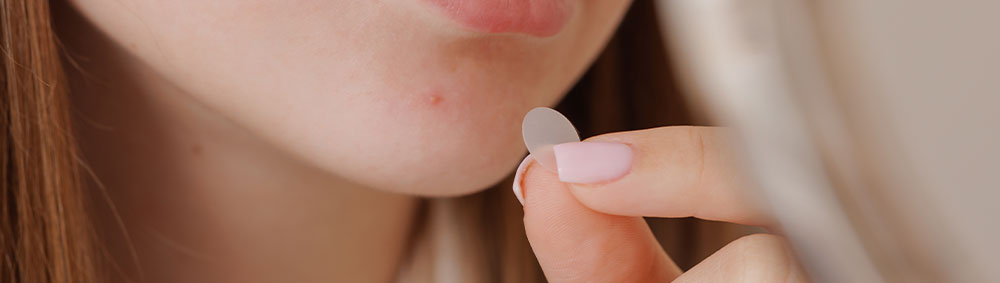
Acne patches, also called pimple patches or hydrocolloid patches, have become one of the most popular over-the-counter acne spot treatments in recent years. These small adhesive patches are designed to absorb oil and fluid from pimples while protecting the skin from touching, irritation, and picking. Many people use acne patches to reduce redness, speed healing, and help prevent acne scarring.
While acne patches can be helpful for certain types of breakouts, they are not a complete acne treatment solution for everyone. Understanding how acne patches work — and when professional acne treatment may be needed — can help patients choose the right skincare approach for clearer skin.
What Are Acne Patches?
Acne patches are small adhesive stickers that are placed directly over a blemish. Most are made with hydrocolloid, a moisture-absorbing material originally developed for wound healing. Some acne patches also contain ingredients such as salicylic acid, niacinamide, or tea tree oil to help reduce inflammation and target acne-causing bacteria.
How Do Acne Patches Work?
Hydrocolloid acne patches work by absorbing excess fluid, oil, and pus from surface-level pimples. They also create a protective barrier over the blemish, which can help reduce irritation and prevent touching or picking at the skin.
Many patients notice the patch turns white after use. This is typically the hydrocolloid absorbing moisture and debris from the blemish.
Do Acne Patches Actually Work?
Yes — acne patches can be effective for certain types of breakouts, especially whiteheads, pustules, and pimples that have come to a head. They may help reduce redness, swelling, and healing time for superficial blemishes.
However, acne patches are not a cure for acne and do not prevent future breakouts.
What Types of Pimples Work Best With Acne Patches?
Acne patches work best on:
- Whiteheads
- Pustules
- Pimples that are draining or have been picked
- Surface-level inflamed blemishes
They are generally less effective for:
- Deep cystic acne
- Hormonal acne
- Blackheads
- Closed comedones
Deep acne forms under the skin and cannot easily be absorbed by the patch.
How Long Should You Leave an Acne Patch On?
Most acne patches are worn for 6–12 hours or overnight. You should remove the patch once it turns opaque or white and no longer adheres well to the skin. Always follow the instructions provided by the manufacturer.
Can You Wear Acne Patches During the Day?
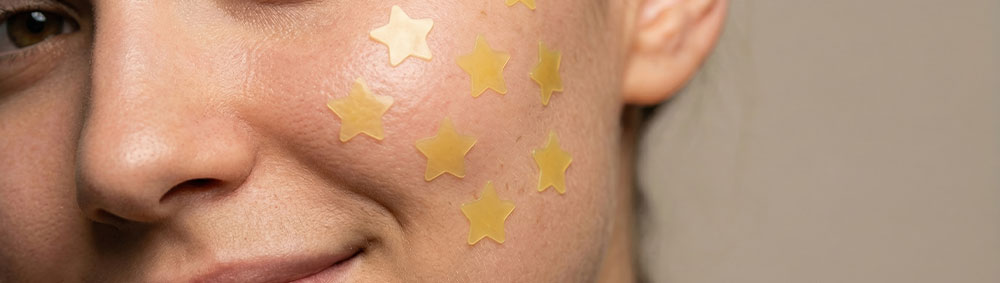
Yes. Many modern acne patches are thin and nearly invisible, making them suitable for daytime wear under makeup or sunscreen. Decorative patches have also become popular as a way to cover blemishes while protecting them from touching and irritation.
Should You Apply Acne Patches Before or After Skincare Products?
For best results, acne patches should usually be applied to clean, dry skin before applying heavier creams or oils. Moisturizers or serums underneath the patch may prevent proper adhesion.
Can Acne Patches Help Prevent Scarring?
They may help reduce the risk of acne scarring indirectly by discouraging picking and squeezing. Picking at pimples increases inflammation and can lead to discoloration and permanent scars. Acne patches provide a physical barrier that helps many people avoid touching the area.
Are Acne Patches Safe for Sensitive Skin?
Simple hydrocolloid patches are generally well tolerated. However, some medicated patches contain ingredients like salicylic acid or tea tree oil, which may irritate sensitive skin. People with adhesive allergies or very reactive skin should test carefully.
Can Acne Patches Replace Acne Treatment?
No. Acne patches are considered a spot treatment and are best used as part of a larger acne care routine. Persistent acne often requires treatments that target oil production, clogged pores, inflammation, or bacteria across the entire face or body.
Learn more about expert acne treatments in Connecticut
What Ingredients Should You Look For in Acne Patches?
Different acne patches are designed for different skin concerns. Common ingredients include:
- Hydrocolloid – absorbs fluid and protects the blemish
- Salicylic acid – helps unclog pores
- Niacinamide – may reduce redness and inflammation
- Tea tree oil – offers antibacterial properties
- Centella asiatica (cica) – helps soothe irritated skin
When Should You See a Dermatologist for Acne?
If you experience frequent breakouts, painful cystic acne, acne scarring, or acne that does not improve with over-the-counter products, it may be time for a professional evaluation. A dermatologist can recommend prescription medications, customized skincare plans, and advanced acne treatments designed for your skin type and severity of acne.
Treatment of Teenage Acne: Myth vs. Fact
Acne in Adults: Causes, Treatments & Myths Busted
At Dermatology Physicians of Connecticut, we provide personalized acne treatment options for teens and adults, including treatments for inflammatory acne, hormonal acne, cystic acne, and acne scarring.