
Molluscum Contagiosum Treatment in Connecticut
Molluscum contagiosum is a common viral skin infection that causes small bumps on the skin. It occurs most often in children and is usually mild, but the bumps can spread, become irritated, or persist for many months.
Dermatology Physicians of Connecticut diagnoses and treats molluscum in children and adults at dermatology offices throughout Connecticut. Treatment is personalized according to the patient’s age, symptoms, number of bumps, and areas of skin involved.
Parents looking for a more detailed discussion can also read our guide to molluscum treatment for children.
What Is Molluscum Contagiosum?
Molluscum contagiosum is a skin infection caused by a poxvirus. It spreads through direct skin-to-skin contact and by sharing objects that have touched affected skin, including towels, clothing, toys, and sports equipment.
Molluscum is especially common among children because close contact at daycare, school, sports, and play is part of everyday life. Children who have eczema may be more likely to develop molluscum or experience itching and irritation around the bumps.
Although molluscum is contagious, it is usually not dangerous. According to the Centers for Disease Control and Prevention, healthy people generally recover without treatment.
What Does Molluscum Look Like?
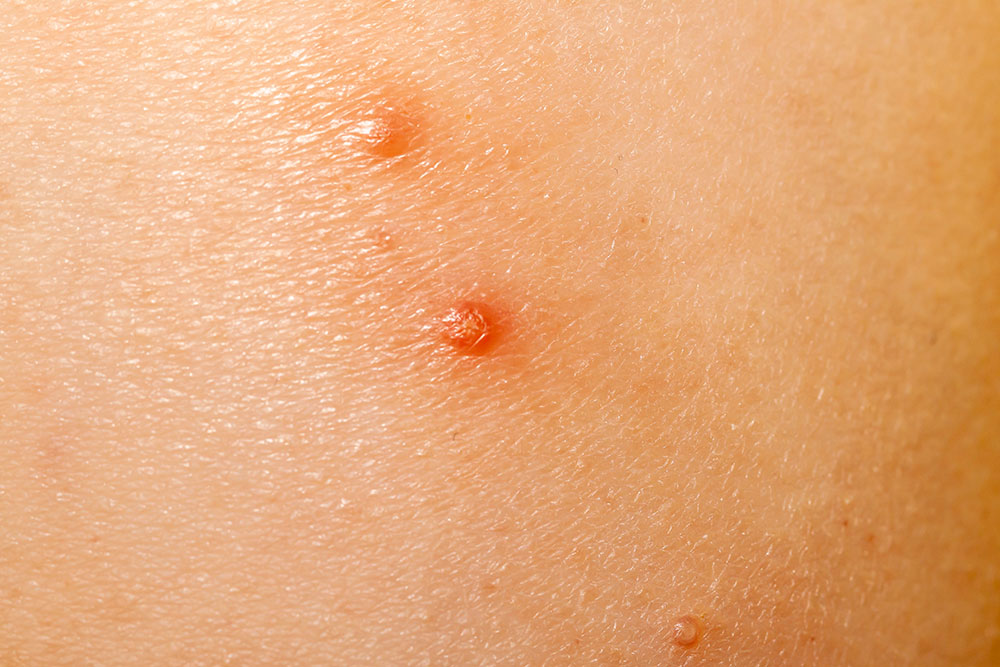
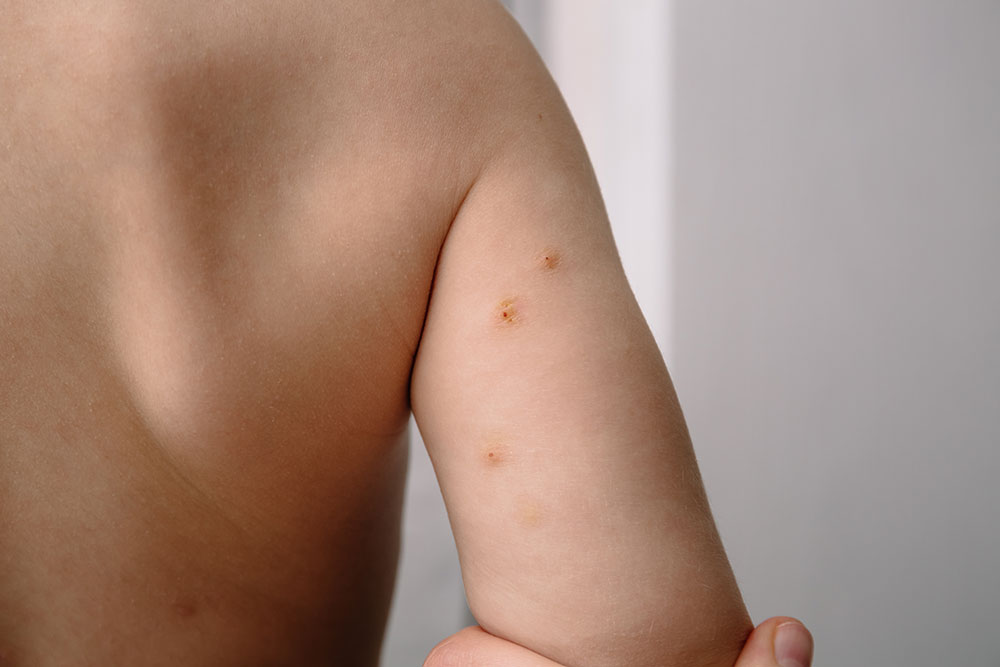
Molluscum usually appears as small, firm bumps that are white, pink, tan, or similar to the patient’s skin tone. The bumps typically have a smooth, dome-shaped surface, and many develop a small indentation in the center.
The lesions may appear alone, in a line, or in clusters. They can develop almost anywhere on the body, including the face, trunk, arms, legs, and skin folds.
Some patients develop dry, itchy, eczema-like skin around the bumps. Scratching, picking, or shaving over molluscum can spread the virus to other areas and may cause bleeding, bacterial infection, or scarring.
Warts, folliculitis, eczema, and several other skin conditions can resemble molluscum. A dermatologist can usually confirm the diagnosis by examining the skin.
Will Molluscum Go Away Without Treatment?
In many healthy children and adults, the immune system eventually clears molluscum without treatment. The bumps often remain for several months, however, and some cases last longer than a year.
Watchful waiting may be appropriate when there are only a few bumps and they are not itchy, irritated, infected, or upsetting to the patient. A persistent case of molluscum does not necessarily mean that a child has a weakened immune system.
The American Academy of Dermatology explains that the decision to treat depends on factors such as the patient’s age, overall health, symptoms, number of lesions, and where the bumps are located.
When Should Molluscum Be Treated?
A dermatologist may recommend treatment when:
- The bumps are spreading to multiple areas.
- Itching or eczema is making the patient uncomfortable.
- Scratching is causing bleeding, infection, or additional lesions.
- The bumps are painful, inflamed, or frequently irritated.
- Lesions are close to the eyes or in another sensitive location.
- The patient participates in wrestling or another close-contact sport.
- The bumps are causing embarrassment or emotional distress.
- The patient has a weakened immune system.
Treatment does not always remove every bump after one visit. Additional lesions may become visible because they were already developing before the first treatment was performed.
Molluscum Treatment Options
Depending on the patient, treatment may be performed in the dermatology office or prescribed for use at home. Your dermatologist will explain the benefits, possible discomfort, and skin-care instructions associated with each option.
Cantharidin
Cantharidin, sometimes called “beetle juice,” is carefully applied to individual molluscum bumps in a healthcare provider’s office. Application is generally painless, but a blister typically forms afterward and helps the skin shed the treated lesion.
The FDA has approved a form of cantharidin for treating molluscum in adults and children age 2 and older. The dermatologist will provide instructions explaining when the medicine should be washed off.
Cantharidin should not be purchased online or applied at home. Incorrect application can cause significant irritation, chemical burns, pain, and scarring.
Berdazimer Gel
Berdazimer is a prescription topical gel applied at home to molluscum lesions. It is FDA approved for adults and children age 1 and older. The medication is generally applied once daily for up to 12 weeks, following the prescribing clinician’s instructions.
Possible side effects include redness, stinging, irritation, itching, or peeling where the medication is applied.
Cryotherapy
Cryotherapy uses liquid nitrogen to freeze individual molluscum bumps. It can be effective for selected lesions, but it may be uncomfortable. For this reason, dermatologists may reserve cryotherapy for older children, teenagers, or adults who have a limited number of bumps.
Curettage
Curettage removes a molluscum bump with a small medical instrument. It is generally better suited to older children, teenagers, and adults who can tolerate the procedure.
Do not attempt to scrape, squeeze, or remove molluscum bumps at home. Doing so can spread the infection and increase the risk of bacterial infection or scarring.
Other Topical Treatments
For certain patients, a dermatologist may recommend another prescription or nonprescription topical treatment. Tretinoin, for example, may be used to create a controlled reaction at the surface of the skin.
Imiquimod is generally not recommended for children with molluscum because studies have not shown it to be reliably effective in pediatric patients.
Avoid products promoted online as instant molluscum cures. Essential oils, acids, and unapproved products may irritate or injure the skin. Use a nonprescription treatment only when recommended by a dermatologist.
How to Help Prevent Molluscum From Spreading
- Do not scratch, pick, squeeze, or shave over the bumps.
- Keep fingernails short and address itching or surrounding eczema.
- Cover exposed bumps during close-contact activities when practical.
- Do not share towels, washcloths, clothing, razors, or sports equipment that touches bare skin.
- Wash hands after touching affected skin or applying prescribed medication.
- Keep irritated or broken skin clean and covered.
Can a Child With Molluscum Attend School or Daycare?
Yes. Children generally do not need to stay home from school or daycare because they have molluscum. Covering exposed lesions can help discourage scratching and reduce direct contact with other children.
Schools, daycare centers, camps, and athletic programs may have their own policies. The CDC provides additional guidance about preventing molluscum in schools, daycare settings, and pools.
Can a Child With Molluscum Go Swimming?
Children with molluscum can generally swim if they do not have open sores. Visible bumps should be covered with watertight bandages, and children should not share towels, goggles, kickboards, toys, or other equipment that touches bare skin.
A child with open or broken sores should stay out of the pool until the skin has healed.
When to See a Dermatologist
Schedule a dermatology appointment if:
- You are not certain that the bumps are molluscum.
- The bumps are multiplying or spreading.
- The condition has persisted for many months.
- Itching or eczema is disrupting sleep or daily activities.
- There is increasing pain, warmth, drainage, or spreading redness.
- The bumps are near the eyes, in the genital area, or in another sensitive location.
- The patient has a weakened immune system.
A dermatologist can confirm the diagnosis, treat related eczema or infection, and help you decide whether treatment or watchful waiting is the better approach.
Molluscum Treatment in Connecticut
Dermatology Physicians of Connecticut provides molluscum diagnosis and treatment for children, teenagers, and adults. With offices in Branford, Fairfield, Hamden, New Haven, New London, Norwalk, Oxford, Shelton, Stamford, and Woodbridge, patients can receive specialized dermatology care close to home.
Our clinicians will evaluate the skin and recommend an approach based on the patient’s age, comfort, symptoms, and treatment goals.
To arrange a molluscum evaluation, call 203-538-5682 or schedule an appointment online.