
Melanoma Specialist in Connecticut: Understanding Stage 4 Melanoma Symptoms and Treatment
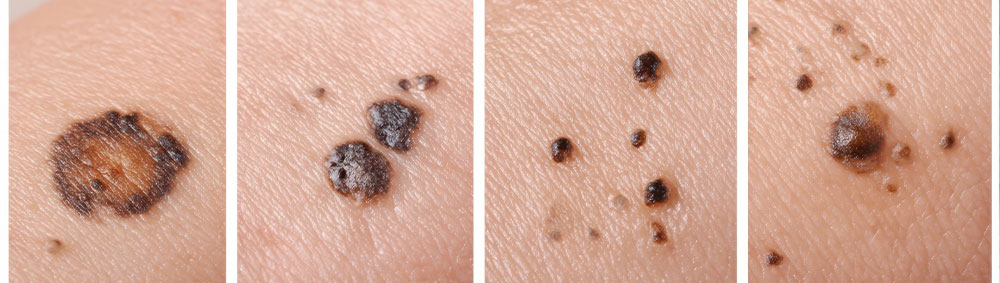
Melanoma is the most serious type of skin cancer. When it progresses to Stage 4 melanoma, also known as metastatic melanoma, the cancer has spread from the skin to distant areas of the body.
Because melanoma can progress quickly, early diagnosis and treatment by an experienced melanoma specialist are critical. Patients throughout Connecticut often seek evaluation from board-certified dermatologists with expertise in detecting and managing melanoma.
At Dermatology Physicians of Connecticut, dermatologists provide advanced skin cancer screening, melanoma diagnosis, and coordinated treatment with oncology specialists to ensure patients receive comprehensive care.
What Is Stage 4 Melanoma?
Melanoma develops in melanocytes, the skin cells that produce pigment. When these cells become cancerous, they can multiply rapidly and spread to other parts of the body.
Stage 4 melanoma means the cancer has spread beyond the original tumor site to distant organs such as:
- Lungs
- Brain
- Liver
- Bones
- Distant lymph nodes
- Skin or tissue away from the primary tumor
Although Stage 4 melanoma is the most advanced stage, modern treatment approaches have improved survival outcomes significantly.
Warning Signs of Melanoma
Melanoma often begins as a new or changing mole. Dermatologists recommend monitoring moles using the ABCDE rule.
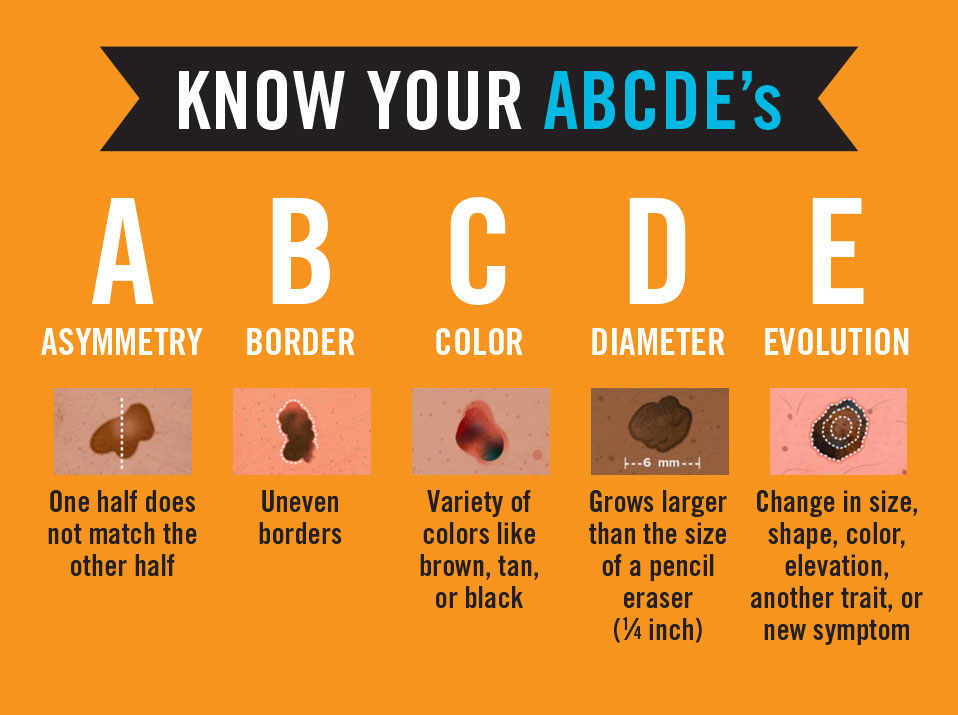
ABCDE Warning Signs
Asymmetry – One half of the mole does not match the other.
Border – The edges appear uneven, jagged, or poorly defined.
Color – The mole may contain multiple colors such as brown, black, tan, red, white, or blue.
Diameter – Many melanomas are larger than 6 mm.
Evolving – Any change in size, shape, color, or symptoms should be evaluated by a dermatologist.
Other symptoms can include itching, bleeding, or tenderness in a mole.
Symptoms of Metastatic Melanoma
When melanoma spreads, symptoms depend on which organs are affected.
Common symptoms include:
Lung involvement
- Persistent cough
- Shortness of breath
Brain involvement
- Headaches
- Seizures
- Neurological symptoms
Liver involvement
- Loss of appetite
- Unexplained weight loss
Bone involvement
- Bone pain
- Increased risk of fractures
Swollen lymph nodes, fatigue, and unexplained pain may also occur.

How Stage 4 Melanoma Is Diagnosed
A melanoma specialist typically begins with a detailed skin examination. If a suspicious lesion is found, a biopsy is performed.
Additional diagnostic tools may include:
- Skin biopsy
- Lymph node biopsy
- CT scans
- MRI scans
- PET scans
- Genetic testing for mutations such as BRAF
These tests help determine how far the melanoma has spread and guide treatment planning.
Treatment Options for Advanced Melanoma
Treatment for Stage 4 melanoma has evolved significantly in recent years. Many patients benefit from personalized treatment plans that combine several therapies.
Immunotherapy
Immunotherapy stimulates the immune system to recognize and attack melanoma cells.
Targeted Therapy
Some melanomas contain genetic mutations that can be treated with medications designed to block tumor growth.
Surgery
When possible, surgeons may remove metastatic tumors.
Radiation Therapy
Radiation may help control tumors that cannot be surgically removed or relieve symptoms.
Clinical Trials
Clinical trials are often recommended for advanced melanoma to explore promising new treatments.
Survival Rates for Stage 4 Melanoma
Although Stage 4 melanoma has a lower survival rate than earlier stages, treatment outcomes have improved dramatically over the past decade.
Immunotherapy and targeted therapy have helped many patients live several years beyond diagnosis, and some achieve long-term remission.
Why Seeing a Melanoma Specialist Matters
Melanoma can sometimes look similar to benign moles or other skin lesions. Dermatologists with specialized training in skin cancer are best equipped to recognize subtle warning signs.
A melanoma specialist can provide:
- Expert mole evaluation
- Dermoscopic skin examination
- Skin biopsy and pathology review
- Surgical melanoma removal
- Coordination with oncology specialists
Patients who receive early diagnosis and specialized care often have significantly better outcomes.
Advanced Melanoma Care in Connecticut
Patients looking for a melanoma specialist in Connecticut can receive comprehensive care from the dermatology team at Dermatology Physicians of Connecticut.
The practice offers:
- Skin cancer screening exams
- Suspicious mole evaluation
- Biopsy and melanoma diagnosis
- Dermatologic surgery for melanoma
- Ongoing monitoring for skin cancer recurrence
With multiple locations across Connecticut, the practice provides convenient access to specialized dermatologic care.
When to Schedule a Skin Cancer Screening
You should see a dermatologist if you notice:
- A new mole or skin lesion
- Changes in an existing mole
- A mole that bleeds, itches, or grows rapidly
- Dark or irregular spots that appear suddenly
Annual skin exams are especially important for individuals with:
- Significant sun exposure
- Fair skin or light hair
- Many moles
- A personal or family history of melanoma
Early detection remains the most effective way to prevent advanced melanoma.
Schedule Your Skin Exam with Dermatology Physicians of Connecticut
Routine skin exams are a simple, proactive way to protect your health. At Dermatology Physicians of Connecticut, our experienced providers offer comprehensive skin cancer screenings for adults and children at convenient locations across Connecticut.
Don’t wait—early detection saves lives.
📍 Branford
📍 Fairfield
📍 Hamden
📍 New Haven
📍 New London
📍 Norwalk
📍 Oxford
📍 Shelton
📍 Stamford