

Psoriasis is a chronic immune-mediated inflammatory condition that can cause thick, scaly patches, itching and discomfort, as well as changes to the scalp or nails. Symptoms can range from a few small areas of affected skin to more widespread psoriasis that repeatedly flares or interferes with everyday life.
At Dermatology Physicians of Connecticut, our dermatology providers diagnose and treat psoriasis in adults and children at locations throughout Connecticut. Treatment is personalized based on the type and severity of psoriasis, where it appears, previous treatments and how the condition is affecting your quality of life.
Today's psoriasis treatments include topical medications, phototherapy, oral or systemic medications, and biologic therapies. If you have a persistent rash that may be psoriasis—or your current treatment is no longer controlling your symptoms—a dermatology evaluation can help determine the best next step.
What Is Psoriasis?
Psoriasis is an immune-mediated inflammatory disease. An overactive immune response causes inflammation and signals skin cells to multiply more quickly than normal, contributing to the buildup of inflamed, scaly plaques.
Psoriasis can occur almost anywhere on the body, but it commonly affects the elbows, knees, scalp and lower back. It can also affect the nails, skin folds, hands, feet and other areas.
Symptoms often go through cycles. You may experience periods when psoriasis becomes more noticeable or uncomfortable, followed by periods when symptoms improve or become less noticeable.
Psoriasis is not contagious. You cannot catch psoriasis from another person or spread it to someone through physical contact.
What Does Psoriasis Look and Feel Like?
Psoriasis does not look exactly the same in everyone. Its appearance can vary depending on the type of psoriasis, where it occurs and a person's skin tone.
Common signs and symptoms can include:
- Raised patches or plaques of inflamed skin
- Dry or scaly skin
- Itching, burning or soreness
- Skin that cracks or bleeds
- Flaking or scaling of the scalp
- Thickened, pitted or discolored nails
Some people have only a few small areas of psoriasis, while others develop more extensive symptoms.
Because psoriasis can sometimes resemble eczema, seborrheic dermatitis, fungal infections and other skin conditions, seeing a dermatologist can be helpful when the cause of a persistent rash isn't clear.
Types of Psoriasis and Areas It Can Affect
Psoriasis can appear in several different forms and affect different areas of the body. Identifying the type and location of psoriasis can help your dermatologist determine the most appropriate treatment.
Plaque Psoriasis
Plaque psoriasis is the most common form. It causes raised, inflamed areas of skin covered by scale. Plaques frequently develop on the elbows, knees, scalp and lower back but can occur elsewhere on the body.
Guttate Psoriasis
Guttate psoriasis typically causes numerous small, scaly spots that may appear relatively suddenly. It sometimes develops following an infection and is more common in children and younger adults.
Inverse Psoriasis
Inverse psoriasis affects skin folds such as the underarms, groin and areas beneath the breasts. Instead of the thicker scale associated with plaque psoriasis, affected areas may appear smooth and inflamed.
Pustular Psoriasis
Pustular psoriasis causes small, pus-filled bumps called pustules surrounded by inflamed skin. These pustules are caused by inflammation rather than a skin infection.
Pustular psoriasis may affect localized areas, such as the hands and feet, or become widespread. Generalized pustular psoriasis can be serious and requires prompt medical evaluation.
Erythrodermic Psoriasis
Erythrodermic psoriasis is a rare, severe form of psoriasis involving widespread inflammation and scaling over much of the body. Because it can lead to serious complications, rapidly developing or extensive symptoms require urgent medical evaluation.
Scalp Psoriasis
Psoriasis commonly affects the scalp and may range from mild flaking to thick, scaly plaques. It can extend beyond the hairline and may sometimes be mistaken for dandruff or seborrheic dermatitis.
Nail Psoriasis
Psoriasis can affect the fingernails and toenails, causing pitting, discoloration, thickening, separation of the nail from the nail bed or other changes.
What Causes Psoriasis?
Psoriasis develops because of a combination of immune-system activity, genetics and environmental factors. The immune system becomes overactive, causing inflammation and signaling skin cells to multiply more quickly than normal. Researchers do not yet fully understand why this happens in some people.
Genetics also plays an important role. People with psoriasis may have family members with the condition, although psoriasis can develop without a known family history.
What Can Trigger a Psoriasis Flare?
Psoriasis itself is not caused by a specific trigger, but certain factors can cause symptoms to appear or worsen in some people.
These may include:
- Stress
- Certain infections
- Injury or irritation to the skin
- Cold or dry weather
- Certain medications
- Smoking
- Excessive alcohol use
Triggers vary from person to person. Identifying factors that seem to worsen your psoriasis may help you and your dermatologist develop strategies for managing flares.
How Is Psoriasis Diagnosed?
A dermatologist can often diagnose psoriasis by examining the skin, scalp and nails and discussing your symptoms and medical history.
Your dermatologist may consider the location and extent of the affected skin, the appearance of the rash, the severity of your symptoms and whether you have experienced joint symptoms.
In some cases, a small skin sample called a biopsy may be examined under a microscope to help distinguish psoriasis from eczema, fungal infections or other skin conditions.
An accurate diagnosis is important because several conditions can resemble psoriasis but require different treatments.
Is There a Cure for Psoriasis?
There is currently no cure for psoriasis, but treatment can often control the condition effectively.
Many people experience periods when symptoms improve significantly or disappear, followed by periods when psoriasis returns or flares. With today's treatment options, many people—including some with moderate to severe psoriasis—can achieve substantial improvement, and some may achieve clear or nearly clear skin.
Because psoriasis is a chronic condition, treatment may need to be adjusted over time as symptoms, health needs or response to medication change.
Psoriasis Treatment Options
There is no single psoriasis treatment that is right for everyone. Treatment depends on the severity and type of psoriasis, the areas of the body affected, your overall health and how you have responded to previous therapies.
At Dermatology Physicians of Connecticut, treatment plans are individualized to help control inflammation, improve the appearance and comfort of the skin and reduce the frequency or severity of flares.
Topical Psoriasis Treatments
Topical medications applied directly to the skin are often used for mild or localized psoriasis.
Depending on your symptoms and where psoriasis appears, your dermatologist may recommend prescription creams, ointments, solutions, foams or shampoos designed to decrease inflammation, reduce scaling or slow excessive skin-cell growth.
Different areas of the body may require different medications or formulations, which is one reason a dermatologic evaluation can be particularly helpful when over-the-counter products aren't providing enough relief.
Phototherapy and Light-Based Treatments
When topical medications alone aren't adequately controlling psoriasis, or when psoriasis affects multiple areas of the body, phototherapy may be an effective treatment option.
This treatment uses controlled wavelengths of ultraviolet light to target affected skin under medical supervision.
For certain localized or persistent areas of psoriasis, our dermatology providers may recommend XTRAC laser therapy, a form of targeted UVB phototherapy that delivers ultraviolet light directly to affected skin while limiting exposure of surrounding unaffected skin.
Your dermatologist can determine whether light-based treatment is appropriate for your type and severity of psoriasis.
Oral and Systemic Medications
Moderate to severe psoriasis may require medication that works throughout the body rather than only on the skin.
Several oral and systemic medications are available. The appropriate medication depends on factors including psoriasis severity, your overall health, other medications you take and how you have responded to previous treatments.
Your dermatologist will discuss the potential benefits and risks of these treatments and any monitoring that may be necessary.
Biologic Medications for Psoriasis
Biologic medications have significantly expanded the treatment options available for people with moderate to severe psoriasis.
Biologics target specific immune pathways involved in the inflammation that causes psoriasis. Different biologics act on different components of the immune response, giving dermatologists several treatment options for patients with moderate to severe disease.
For many people, biologic therapy can produce substantial improvement and, in some cases, skin that is clear or nearly clear.
Biologics are not appropriate for everyone. Your dermatologist will consider the extent of your psoriasis, previous treatments, overall health and other factors when determining whether a biologic medication should be considered.
Psoriasis and Psoriatic Arthritis
Psoriasis can affect more than the skin. Some people with psoriasis develop psoriatic arthritis, an inflammatory form of arthritis that can affect the joints, tendons and spine.
Symptoms may include persistent joint pain, swelling or stiffness; swollen fingers or toes; pain where tendons attach to bone; or stiffness in the back or spine.
Nail psoriasis, including pitting, thickening or separation of the nail from the nail bed, may occur in people who also have psoriatic arthritis.
If you have psoriasis and develop persistent joint symptoms, tell your dermatologist or other healthcare provider. Early recognition and treatment are important because untreated inflammatory arthritis can lead to lasting joint damage.
Your dermatologist may recommend additional evaluation or coordinate care with a rheumatologist when appropriate.
When Should You See a Dermatologist for Psoriasis?
You don't have to wait until psoriasis becomes severe to see a dermatologist. An evaluation can confirm whether your symptoms are psoriasis and help determine which treatment options are appropriate.
Consider making an appointment if:
- You have a persistent rash and aren't sure whether it is psoriasis
- Psoriasis is spreading or becoming more severe
- Itching, pain or discomfort is interfering with sleep or everyday activities
- Over-the-counter products aren't helping
- Psoriasis affects your scalp, nails or sensitive areas
- Your current psoriasis treatment has stopped working as well as it once did
- You experience frequent or difficult-to-control flares
- You develop persistent joint pain, swelling or stiffness
If you already have a psoriasis diagnosis, regular dermatology care can also help determine whether your treatment should be adjusted as your symptoms change.
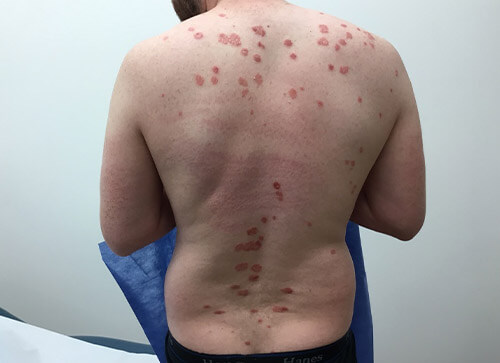
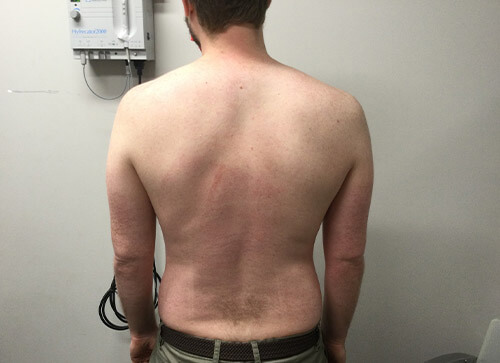
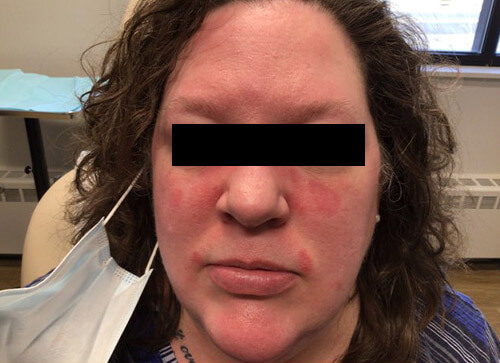
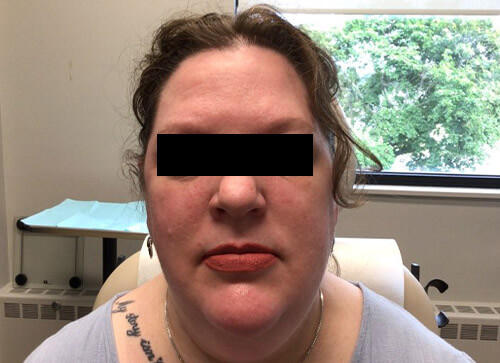
Psoriasis Before and After Treatment
Psoriasis can often be controlled effectively with appropriate treatment. Response varies depending on the type and severity of psoriasis, the areas involved and the therapy used.
Psoriasis Treatment Throughout Connecticut
Finding the right psoriasis treatment may require ongoing care, particularly when symptoms change or a treatment that once worked becomes less effective.
Dermatology Physicians of Connecticut provides psoriasis diagnosis and treatment at dermatology offices across Connecticut, making it easier for patients to receive ongoing care close to home.
Patients can schedule dermatology appointments at our locations in Fairfield, New Haven, Norwalk, Stamford, Shelton, Branford, Hamden, Oxford, and New London.
Whether you have recently developed symptoms that may be psoriasis, have been living with psoriasis for years or want to explore additional treatment options, our dermatology providers can evaluate your skin and develop a treatment plan based on your individual needs.
Frequently Asked Questions About Psoriasis
Is psoriasis contagious?
No. Psoriasis is not contagious. You cannot catch psoriasis by touching someone who has it, and a person with psoriasis cannot spread it to someone else.
Can psoriasis go away permanently?
Psoriasis is generally considered a chronic condition, and there is currently no cure. Symptoms may become much less noticeable or disappear for periods of time and then return. Treatment can help control psoriasis, reduce inflammation and extend periods when the skin is clear or nearly clear.
What is the best treatment for psoriasis?
There is no single best treatment for every patient. Mild or localized psoriasis may respond well to topical medications, while more extensive or persistent psoriasis may require phototherapy, oral or systemic medications, or biologic therapy. A dermatologist can recommend treatment based on your psoriasis type, severity, location, medical history and previous treatments.
Can a dermatologist treat scalp psoriasis?
Yes. Dermatologists diagnose and treat scalp psoriasis. Treatment may include prescription shampoos, solutions, foams, topical medications or other therapies depending on the severity and extent of the condition.
What are biologics for psoriasis?
Biologics are medications that target specific immune pathways involved in psoriasis inflammation. They may be considered for people with moderate to severe psoriasis or psoriatic arthritis when appropriate.
Can stress make psoriasis worse?
Yes. Stress can trigger or worsen psoriasis symptoms in some people. Triggers vary from person to person, so identifying your individual triggers may be helpful in managing the condition.
Does psoriasis cause joint pain?
Some people with psoriasis develop psoriatic arthritis, an inflammatory condition that affects the joints and other parts of the musculoskeletal system. If you have psoriasis along with persistent joint pain, stiffness or swelling, discuss these symptoms with your healthcare provider.
When should I see a dermatologist for psoriasis?
Consider seeing a dermatologist if you have a persistent rash that may be psoriasis, symptoms are worsening, over-the-counter treatments aren't working, psoriasis is affecting your quality of life or your existing treatment is no longer adequately controlling your symptoms.
Where can I find psoriasis treatment in Connecticut?
Dermatology Physicians of Connecticut provides psoriasis diagnosis and treatment at dermatology offices throughout Connecticut, including Branford, Fairfield, Hamden, New Haven, New London, Norwalk, Oxford, Shelton and Stamford. A dermatology provider can evaluate your symptoms and recommend a treatment plan based on your individual needs.