
Cold Weather Acne: Why Breakouts Get Worse in Winter in CT
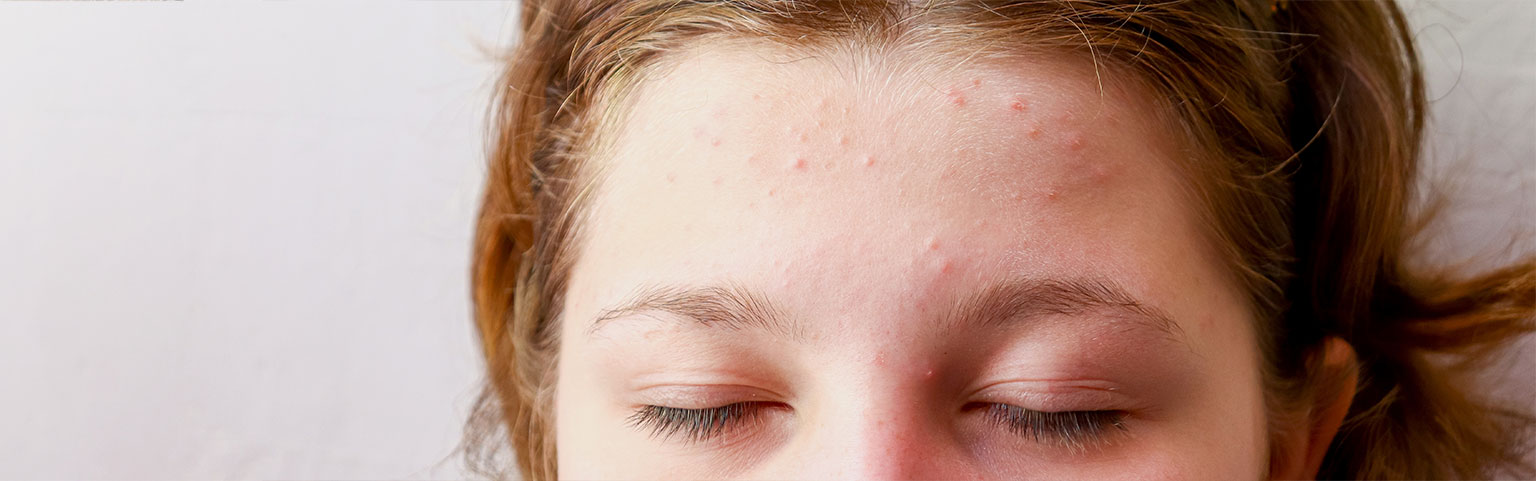
Acne isn’t just a summer problem—many patients in Connecticut notice their breakouts flare during the colder winter months. The combination of dry outdoor air, heated indoor environments, and changes in skincare routines can all contribute to stubborn winter acne. Understanding why acne worsens in winter is the first step in protecting your skin. Moreover, this helps reduce inflammation and prevent scarring.
Why Winter Triggers Acne
Winter acne happens for several reasons. Cold air strips moisture from the skin, weakening its natural barrier. At the same time, indoor heating dries the skin even further. This prompts it to produce more oil in an attempt to stay hydrated. Heavy moisturizers or occlusive creams, often used to combat dryness, can clog pores and worsen acne. In addition, reduced sun exposure during winter slows the natural turnover of skin cells. This allows debris and dead skin to accumulate and contribute to breakouts.
Winter Acne in Teens vs. Adults
While acne can affect anyone, the triggers can differ depending on age. Teens often experience hormonal fluctuations that worsen acne, combined with winter skincare routines that may include thick moisturizers or frequent mask-wearing. On the other hand, adults may notice flare-ups around the jawline and chin due to stress, dryness, or hormonal changes. No matter the age, the good news is that a provider at Dermatology Physicians of CT can create can create a customized plan to address winter acne effectively.
Daily Skin Care Routines & Healthy Skin Care Habits for kids and teens
Common Winter Acne Mistakes
Many people unknowingly make winter acne worse. Skipping moisturizer entirely may seem like a solution, but it actually strips the skin of protective oils, prompting more oil production. Additionally, using harsh cleansers can further damage the skin barrier. Over-exfoliating to remove dry skin flakes can cause irritation and trigger breakouts. Therefore, maintaining a gentle, consistent skincare routine is key to managing acne in cold months.
How a Dermatologist Can Help
A provider at Dermatology Physicians of CT can arrange a treatment tailored to winter conditions. This may include prescription medications that control acne without overdrying. It may also include guidance on winter-appropriate moisturizers, and strategies to prevent post-inflammatory marks and scarring. At Dermatology Physicians of Connecticut, our Branford, Fairfield, Hamden, New Haven, New London, Norwalk, Oxford, Shelton and Stamford offer personalized acne care for teens and adults alike. Ultimately, scheduling a consultation early in the winter months can keep acne under control before it escalates.
Tips to Protect Your Skin in Winter
Even simple adjustments can make a difference:
- Use gentle cleansers twice daily to remove dirt and oil without stripping moisture.
- Apply lightweight, non-comedogenic moisturizers to keep skin hydrated without clogging pores.
- Avoid harsh scrubs and limit exfoliation to 1–2 times per week.
- Consult a dermatologist for prescription options if acne persists.
How to Refresh Your Skin for Fall: Connecticut Cosmetic Dermatology Treatments
When to See a Dermatologist
If your acne does not improve with at-home care, causes scarring, or flares repeatedly during winter, it’s time to see a professional. A provider at Dermatology Physicians of CT can assess your skin, recommend effective treatments, and develop a plan that keeps acne under control all winter long.
FAQ: Cold Weather Acne
Q1: Why does acne get worse in winter?
A: Winter acne worsens due to a combination of cold outdoor air, dry indoor heating, and changes in skincare routines. Dry air strips the skin’s natural barrier, while over-moisturizing or using heavy creams can clog pores, leading to more breakouts.
Q2: Can cold air cause acne?
A: Yes. Cold air reduces skin moisture and slows skin turnover, which can trap oil and dead skin in pores. Rapid temperature changes between the cold outdoors and heated indoors can also irritate the skin and trigger acne flare-ups.
Q3: How can I prevent winter breakouts?
A: Prevent winter acne by using gentle cleansers, applying lightweight, non-comedogenic moisturizers, avoiding harsh scrubs, and keeping a consistent skincare routine. In addition, consulting a provider at Dermatology Physicians of CT can help tailor a winter-specific acne plan.
Q4: When should I see a dermatologist for winter acne?
A: If your acne does not improve with at-home care, causes scarring, or flares repeatedly during winter, it’s time to see a provider at Dermatology Physicians of CT. Early treatment can prevent long-term skin damage and improve overall skin health.
Q5: Is winter acne different for teens and adults?
A: Yes. Teens may experience more hormonal flare-ups, while adults often see acne around the jawline due to stress, dryness, or hormonal changes. A provider at Dermatology Physicians of CT can provide age-specific treatment strategies for both groups.
Schedule Your Skin Exam with Dermatology Physicians of Connecticut
Routine skin exams are a simple, proactive way to protect your health. At Dermatology Physicians of Connecticut, our experienced providers offer comprehensive skin cancer screenings for adults and children at convenient locations across Connecticut.
Don’t wait—early detection saves lives.
📍 Branford
📍 Fairfield
📍 Hamden
📍 New Haven
📍 New London
📍 Norwalk
📍 Oxford
📍 Shelton
📍 Stamford
Dermatology Physicians of CT Google Reviews